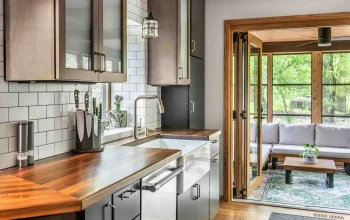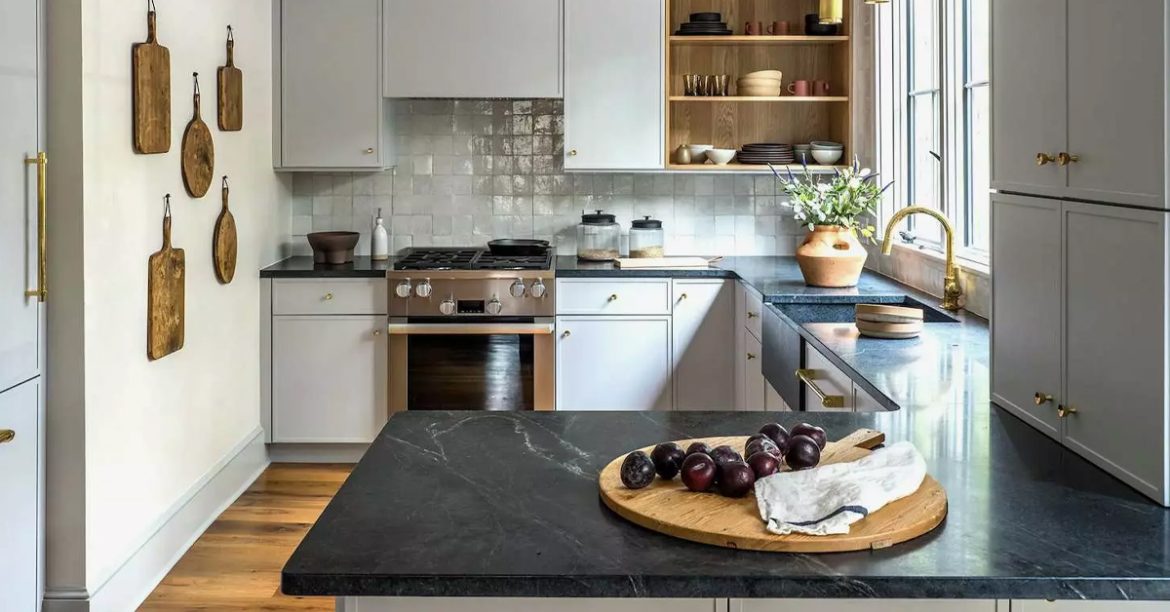
Designing a small kitchen can feel challenging, but limited square footage does not mean limited potential. With thoughtful planning, smart layouts, and strategic design choices, a compact kitchen can be just as functional, stylish, and inviting as a larger one. In modern homes, small kitchens are increasingly common, especially in apartments, condos, and urban residences, making efficient design more important than ever.
The key to maximizing a small kitchen lies in using every inch wisely while maintaining visual openness and ease of movement. From clever storage solutions to light-enhancing finishes, the right design decisions can transform even the smallest kitchen into a highly efficient and attractive space.
Start With a Smart Layout
Layout is the foundation of any successful small kitchen design. A well-planned layout improves workflow and minimizes wasted space.
Popular layouts for small kitchens include:
- Galley kitchens: Ideal for narrow spaces, with cabinets and appliances on parallel walls
- L-shaped kitchens: Utilize corners efficiently and open up floor space
- Single-wall kitchens: Perfect for studio apartments or open-plan living areas
Choosing the right layout ensures that cooking, cleaning, and storage zones are easy to access without overcrowding the space.
Maximize Vertical Storage
When floor space is limited, vertical storage becomes essential. Using the full height of your walls allows you to increase storage without sacrificing movement.
Effective vertical storage strategies include:
- Floor-to-ceiling cabinets
- Open shelving for frequently used items
- Tall pantry units that replace bulky lower cabinets
Upper cabinets that extend to the ceiling also draw the eye upward, making the kitchen feel taller and more spacious.
Choose Light Colors and Reflective Finishes
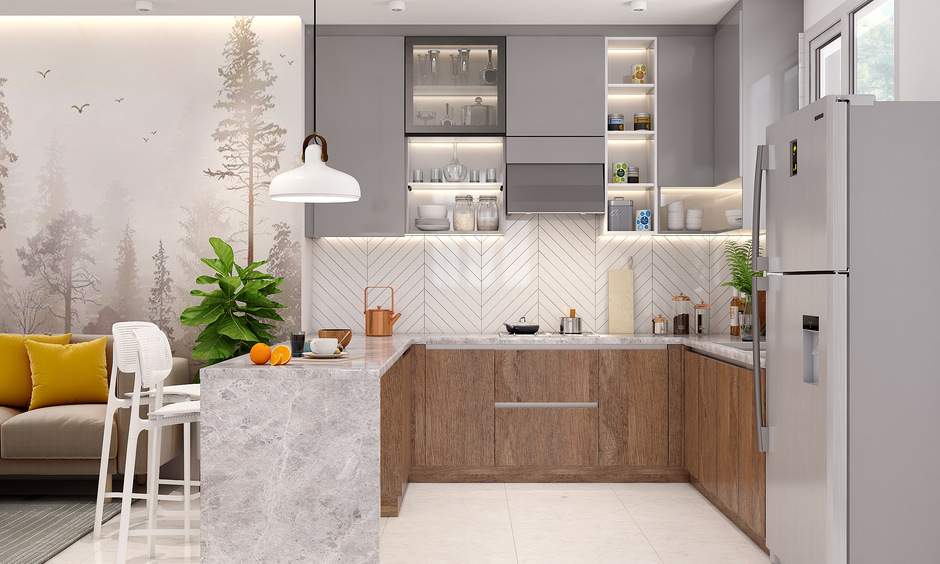
Color plays a major role in how spacious a kitchen feels. Light colors reflect more light, helping small kitchens appear larger and brighter.
Popular color choices include:
- Soft whites and warm neutrals
- Light gray or beige tones
- Pale wood finishes
Glossy cabinet fronts, glass backsplashes, and reflective countertops further enhance brightness by bouncing light around the room.
Opt for Space-Saving Appliances
Appliances designed for compact spaces can dramatically improve functionality in small kitchens. Modern manufacturers offer slim, integrated options that perform just as well as standard-sized models.
Consider:
- Counter-depth refrigerators
- Slim dishwashers or drawer-style units
- Combination microwave and oven units
Integrated appliances blend into cabinetry, creating a seamless and uncluttered appearance.
Use Multifunctional Furniture and Features
In a small kitchen, every element should serve more than one purpose whenever possible. Multifunctional design reduces clutter and increases usability.
Examples include:
- Kitchen islands with built-in storage and seating
- Pull-out cutting boards or work surfaces
- Fold-down tables or wall-mounted breakfast bars
These features provide flexibility without permanently occupying valuable floor space.
Open Shelving for Visual Breathing Room
While closed cabinetry offers maximum storage, open shelving can make a small kitchen feel more open and less boxed in.
Open shelves work best when:
- Used sparingly
- Styled neatly with minimal items
- Paired with closed cabinets for balance
They are ideal for displaying everyday dishes or glassware while keeping the space visually light.
Smart Storage Solutions for Small Kitchens
Efficient storage is the backbone of small kitchen design. Innovative storage solutions help keep the kitchen organized and functional.
Effective options include:
- Pull-out pantry shelves
- Corner cabinet organizers
- Drawer dividers and inserts
- Toe-kick drawers for hidden storage
These solutions ensure that every inch of cabinetry is fully utilized.
Choose the Right Countertops
In small kitchens, countertops should be durable, easy to maintain, and visually unobtrusive.
Light-colored countertops made from quartz or solid surface materials help reflect light and maintain a clean look. Thin countertop profiles can also create a more streamlined appearance without sacrificing durability.
Lighting That Expands the Space
Proper lighting is essential in small kitchens. A layered lighting approach improves functionality and enhances the sense of space.
Key lighting elements include:
- Under-cabinet lighting for task areas
- Recessed ceiling lights for overall brightness
- Accent lighting to highlight shelving or backsplashes
Well-placed lighting eliminates shadows and makes the kitchen feel larger and more welcoming.
Incorporate Sliding and Pocket Doors
Traditional swinging doors can take up valuable space. Sliding or pocket doors are excellent alternatives for small kitchens.
These doors:
- Improve flow between rooms
- Reduce visual clutter
- Free up wall and floor space
Glass-paneled sliding doors also allow light to pass through, maintaining openness.
Keep the Design Minimal and Clutter-Free
Minimalism is particularly effective in small kitchens. Clean lines, simple hardware, and limited decorative elements prevent the space from feeling crowded.
Strategies include:
- Handle-less or slim-profile cabinet hardware
- Built-in trash and recycling systems
- Concealed storage for small appliances
A clutter-free kitchen not only looks larger but is also easier to maintain.
Zolotas KB
Homeowners seeking to optimize compact kitchen layouts often work with experienced professionals like Zolotas KB to ensure every design decision enhances space efficiency and functionality. Expert planning helps integrate smart storage, efficient layouts, and cohesive finishes, resulting in small kitchens that feel open, organized, and highly usable.
Create Visual Continuity With Open Plans
If your small kitchen is part of an open-plan living area, visual continuity is essential. Using similar colors, flooring, and materials throughout adjacent spaces helps the kitchen blend seamlessly into the rest of the home.
This approach reduces visual boundaries and makes the overall space feel larger and more cohesive.
Mirrors and Glass for Added Depth
Mirrors and glass elements can create the illusion of depth in a small kitchen. Glass-front cabinets, mirrored backsplashes, or reflective tiles add dimension without taking up space.
These features are particularly effective in kitchens with limited natural light.
Smart Backsplash Choices
Backsplashes in small kitchens should enhance the design without overwhelming it. Simple patterns, light colors, and large-format tiles reduce visual clutter.
Continuous backsplashes that extend to the ceiling can also draw the eye upward, increasing the perception of height.
Plan for Flexibility and Future Needs
Even small kitchens should be designed with adaptability in mind. Flexible layouts and modular components allow the space to evolve as needs change.
Features like adjustable shelving, movable islands, and modular storage systems add long-term value and usability.
Frequently Asked Questions
-
What layout works best for a small kitchen?
Galley, L-shaped, and single-wall layouts are most effective for maximizing space in small kitchens.
-
Do light colors really make a kitchen look bigger?
Yes. Light colors reflect more light and help create an open, airy feel.
-
Is open shelving practical in a small kitchen?
When used selectively and kept organized, open shelving can make a small kitchen feel more spacious.
-
Are compact appliances reliable?
Modern compact appliances offer performance comparable to standard-sized models while saving space.
-
How can I add more storage without crowding the kitchen?
Use vertical storage, pull-out organizers, and hidden drawers to increase capacity without reducing floor space.
Designing Small Kitchens With Big Impact
A small kitchen can deliver exceptional functionality and style when designed with intention. By focusing on smart layouts, efficient storage, light-enhancing materials, and thoughtful details, homeowners can transform compact kitchens into highly efficient and visually appealing spaces. With careful planning and expert execution, even the smallest kitchen can make a big impact on everyday living.