

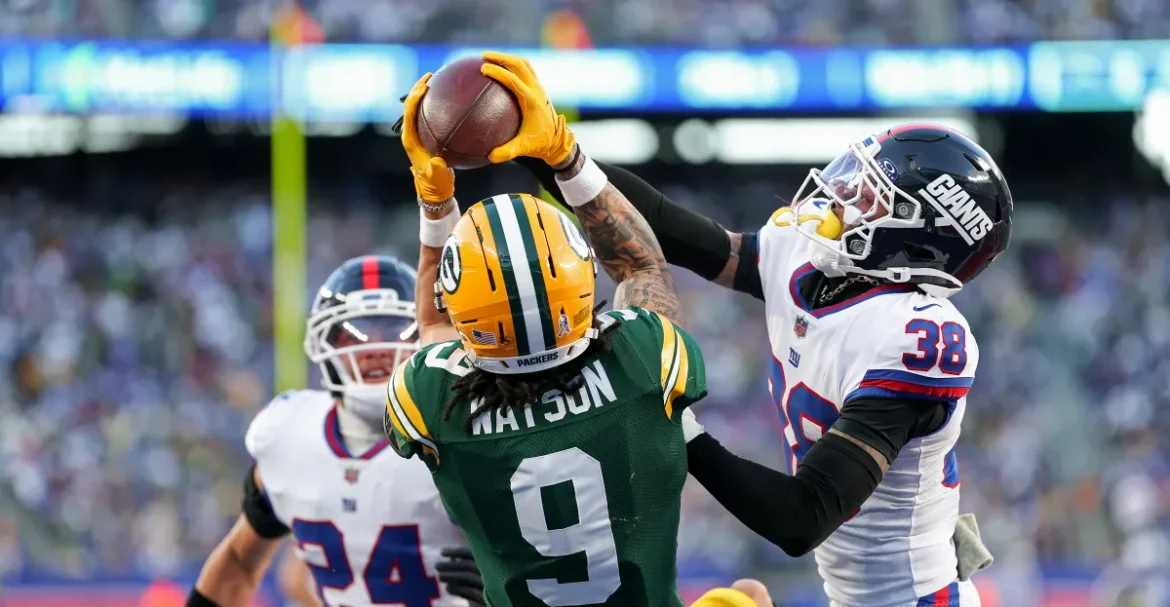
The Green Bay Packers vs New York Giants matchup offered far more than a standard box score summary. While the final score reflected a competitive contest, the deeper player statistics reveal how efficiency, situational execution, and timely plays shaped the outcome. From quarterback decision-making to defensive pressure rates, this game was decided by details that casual viewers might overlook.
This comprehensive breakdown explores how individual performances influenced momentum, explains where the Packers gained their edge, and highlights the Giants’ standout contributors despite the loss. By examining advanced metrics alongside traditional stats, this analysis paints a clearer picture of what truly happened on the field.
Game Flow and Statistical Context
From the opening kickoff, both teams showed contrasting styles. Green Bay emphasized balance and controlled tempo, while New York leaned into aggressive passing and quick-strike potential. The score remained tight through much of the game, but statistical trends gradually tilted in the Packers’ favor.
Time of possession, red-zone efficiency, and third-down conversion rates ultimately separated the teams. While the Giants generated explosive plays, Green Bay consistently won the efficiency battle.
Quarterback Metrics That Defined the Game
Jordan Love’s Command and Accuracy
Jordan Love delivered one of his most composed performances of the season. His completion percentage reflected strong chemistry with his receivers, especially on timing routes and play-action throws. Love’s average depth of target suggested a calculated approach rather than unnecessary risk-taking.
Advanced metrics showed that Love excelled on early downs, helping the Packers avoid long third-down situations. His passer rating under pressure also stood out, indicating improved pocket awareness and decision-making.
Giants Quarterback Performance Under Duress
New York’s quarterback demonstrated resilience and creativity, particularly when plays broke down. Scramble efficiency and yards gained outside the pocket contributed to several momentum-shifting drives.
However, pressure metrics told a more troubling story. When facing consistent pass rush, completion percentage dropped noticeably. Several stalled drives resulted from hurried throws and limited time to progress through reads.
Rushing Game Efficiency Comparison
Packers Ground Game Balance
Green Bay’s rushing attack was a textbook example of efficiency over explosiveness. While there were no highlight-reel runs, the Packers consistently gained positive yardage, keeping the offense on schedule.
Running backs averaged solid yards per carry and were especially effective in short-yardage situations. This reliability allowed the Packers to control tempo late in the game and protect their lead.
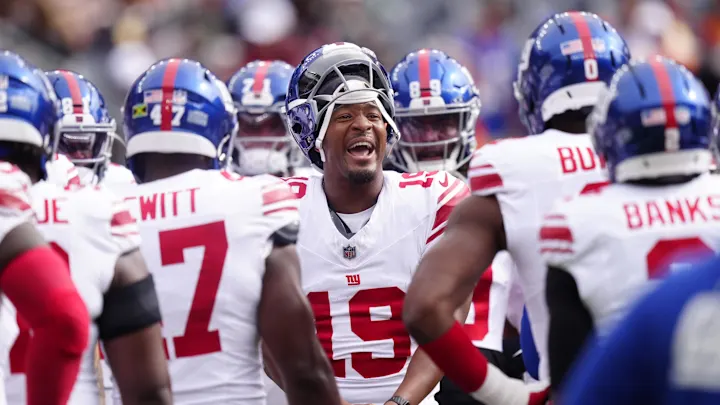
Giants Rushing Production Peaks and Valleys
The Giants found early success attacking the edges, using speed to stretch Green Bay’s defence horizontally. Several first-quarter runs set up manageable second downs and opened up play-action opportunities.
As the game progressed, defensive adjustments limited these gains. Interior run defense tightened, and rushing efficiency declined, forcing New York to rely more heavily on the passing game.
Receiving Performance and Target Distribution
Packers Pass Catchers Step Up
One of the most telling stats from Green Bay’s offense was the distribution of targets. No single receiver dominated the stat sheet, but multiple players contributed meaningful yardage.
This balanced approach made defensive coverage assignments more difficult for the Giants. Tight ends played a crucial role on third downs, consistently finding space in zone coverage and extending drives.
Giants Receivers Deliver Big Plays
New York’s receivers accounted for several of the game’s most explosive moments. Chunk plays downfield significantly boosted total yardage and kept the Giants within striking distance.
However, reliance on big plays proved risky. Sustained drives were harder to maintain, particularly when facing third-and-long situations after short gains or penalties.
Defensive Contributions That Shifted Momentum
Packers Defensive Pressure and Discipline
Green Bay’s defense excelled at generating pressure without overcommitting. The front four consistently collapsed the pocket, forcing quick decisions and limiting downfield opportunities.
Coverage schemes were equally effective. Disguised looks and late safety rotations disrupted timing, leading to throwaways and contested catches at key moments.
Giants Defensive Strengths and Breakdowns
The Giants’ defense showed flashes of dominance, especially in the first half. Linebackers were active in coverage, limiting yards after catch and closing passing lanes.
Late-game fatigue and missed assignments, however, proved costly. Several extended Packers drives resulted from missed tackles and breakdowns in zone coverage.
Third-Down and Red-Zone Performance
Third-down efficiency was a decisive factor. Green Bay converted a higher percentage of third downs, particularly in short-yardage situations. This success kept the offense on the field and limited New York’s opportunities.
Red-zone efficiency further highlighted the difference. The Packers consistently turned red-zone trips into touchdowns, while the Giants settled for fewer points on similar opportunities.
Key Game-Changing Moments
Several moments defined the trajectory of the game:
- A third-quarter touchdown drive by Green Bay that featured balanced play-calling and near-perfect execution
- A critical defensive stop that forced a Giants punt from scoring range
- A late-game drive where the Packers converted multiple third downs to drain the clock
Fans who want to dive deeper into how individual players influenced these pivotal sequences can review the standout performances that sealed the Packers’ win, gaining a clearer understanding of which contributions mattered most.
Special Teams and Field Position Impact
Special teams quietly favored Green Bay throughout the game. Consistent punt coverage limited return yardage and frequently pinned the Giants deep in their own territory.
Kickoff placement and return efficiency further tilted field position in the Packers’ favor, contributing to their ability to control tempo and momentum.
Advanced Metrics and Efficiency Trends
Beyond traditional stats, advanced metrics tell an even clearer story. Green Bay posted a higher yards-per-play average and won the turnover margin, two indicators strongly correlated with winning outcomes.
Early-down success rate also favored the Packers, allowing them to avoid predictable passing situations and maintain offensive flexibility.
What the Numbers Mean Going Forward
For Green Bay, the stats suggest a team developing a sustainable identity built on balance, discipline, and situational execution. Continued improvement in these areas positions them well for future matchups.
For New York, the data highlights both potential and areas for growth. Explosive talent is evident, but improvements in pass protection and third-down efficiency are critical to turning close games into victories.
Final Analysis
The Packers vs Giants matchup was not decided by a single superstar performance, but by cumulative efficiency across all phases of the game. Green Bay’s attention to detail, consistency on key downs, and ability to capitalize on opportunities ultimately made the difference.
For fans and analysts alike, this game serves as a reminder that the most important stories often live beneath the surface of the final score—hidden within the numbers that truly define performance.

