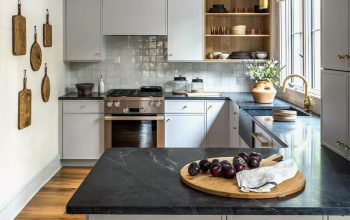
For a long time, home design felt like a performance. Social media feeds were filled with perfectly styled living rooms, spotless kitchens, and furniture that looked great but didn’t always feel usable. Over the past few years, I’ve noticed a shift. People are moving away from picture-perfect homes and toward spaces that support real life.
This change isn’t about giving up on style. It’s about prioritizing comfort, function, and emotional well-being over trends that don’t actually work day to day.
Why Comfort Has Become the New Luxury
Comfort used to be treated as a bonus feature. Now, it’s the foundation of good design. People want couches they can actually relax on, beds that support quality sleep, and rooms that feel calming instead of cluttered.
After spending more time at home, many realized that beautiful but uncomfortable furniture doesn’t hold up in daily use. This awareness has pushed buyers to test products more carefully, read reviews, and ask practical questions before purchasing.
Multifunctional Spaces Are No Longer Optional
Homes today often serve multiple purposes. Living rooms double as workspaces. Dining tables become homework stations. Bedrooms transform into quiet zones for rest and focus.
Because of this, flexibility matters more than ever. Furniture that can adapt—like modular seating, extendable tables, and movable storage—helps spaces evolve without constant redesigns. People now value how a space works throughout the day, not just how it looks in photos.
Choosing Furniture That Fits Real Bodies

One overlooked part of home comfort is scale. Furniture needs to fit the people using it, not just the room. Chairs that are too deep, desks that are too high, or beds that feel cramped can cause daily discomfort without being obvious at first glance.
This is where measurements matter. When shopping online, buyers are paying closer attention to dimensions and specifications, asking the same type of clarifying questions they do when buying clothes—questions like what size is 38. that help translate abstract numbers into real-world comfort.
Softer Materials, Warmer Spaces
There’s been a noticeable move toward softer materials and warmer textures. Hard, glossy finishes are being replaced with wood, fabric, and matte surfaces. These choices absorb sound, feel better to the touch, and create a more inviting atmosphere.
Lighting has also changed. Instead of harsh overhead lights, people are using layered lighting—lamps, wall lights, and dimmable bulbs—to create flexibility and mood throughout the day.
Storage That Reduces Visual Noise
Clutter isn’t just physical—it’s mental. One reason people feel more relaxed in well-designed homes is because visual noise is minimized. Smart storage solutions allow everyday items to stay accessible without being constantly visible.
Closed storage, hidden compartments, and vertical shelving help maintain order without sacrificing personality. This approach makes homes easier to maintain and more enjoyable to live in.
Personalization Over Trends
Design trends still exist, but people are less likely to follow them blindly. Instead, they’re choosing colors, layouts, and furniture that reflect their personal routines and preferences.
This means mixing styles, repurposing older items, and designing spaces that feel authentic. A home doesn’t need to look like a showroom—it needs to feel like a place where life actually happens.
Buying Fewer, Better Pieces
Rather than constantly upgrading decor, many homeowners are investing in fewer, higher-quality pieces. Comfort-focused buying encourages slower decisions and long-term thinking.
People are reading reviews, checking measurements, and thinking about how furniture will age over time. When choosing items like seating or bedding, shoppers often compare options carefully, even revisiting familiar sizing questions such as what size is 38. to avoid costly mistakes.
The Emotional Impact of a Comfortable Home
A comfortable home affects more than posture or convenience—it influences mood, energy levels, and stress. When a space supports rest, focus, and connection, it naturally improves daily life.
This emotional benefit is why comfort-first design isn’t a passing trend. It’s a response to how people live now and what they truly need from their surroundings.
Final Thoughts on Living Better at Home
Redesigning a home doesn’t require a full renovation or a massive budget. Small, thoughtful changes—better lighting, more functional furniture, and layouts that support daily habits—can make a huge difference.
When comfort leads the design process, homes become places of restoration rather than pressure. And in a world that already asks a lot from us, that kind of space matters more than ever.