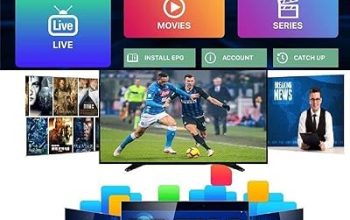
Television did not change overnight. It shifted slowly as people spent more time online and less time waiting for fixed broadcasts. In the middle of this shift IPTV appeared as a natural extension of how people already consumed content. Instead of feeling like a replacement it felt like an upgrade that followed existing habits. This evolution explains why many viewers adjusted without even realizing a major change had taken place.
After this gradual shift began viewers started noticing a few key differences in how television fit into daily life.
- Less dependence on physical connections
- More freedom to watch across devices
- Content availability beyond local limits
- Viewing that adapts to personal routines
These changes shaped how modern television delivery evolved.
Where traditional broadcasting started
Traditional television began with strict schedules and limited choices. Viewers adjusted their lives around programs rather than the other way around.
Broadcast signals depended on location and timing. Missing a show often meant missing it entirely. This structure worked for decades but slowly felt restrictive as lifestyles became more flexible.
How internet delivery changed expectations

The internet changed how people expected services to behave. Instant access became normal across many areas of life.
Television followed that expectation. Viewers began expecting content to load quickly pause smoothly and resume easily. Internet delivery allowed television to match the pace of modern habits.
Why global content became easier to access
Earlier television systems were limited by geography. Content varied widely depending on where someone lived.
Internet based delivery removed many of those barriers. Viewers suddenly had access to shows from different regions and cultures. This broadened choices and made television feel less local and more personal.
- Easier discovery of diverse content
- Less dependence on regional broadcasts
- More variety without extra effort
This expansion changed how people thought about entertainment options.
The shift from hardware to software viewing
Old systems relied heavily on physical equipment. Boxes cables and antennas were essential.
Modern viewing relies more on software. Updates happen quietly in the background. Devices improve over time without replacement. This shift reduced clutter and made setups simpler for everyday users.
How updates improve viewing over time
One advantage of internet based delivery is gradual improvement. Performance does not stay fixed.
Small updates improve stability speed and usability. Viewers benefit without needing to learn new systems. Over time the experience feels smoother without dramatic changes.
- Better responsiveness
- Improved compatibility
- Ongoing refinements
These updates contribute to long term comfort.
What the future may quietly bring
The future of television delivery is unlikely to be loud or disruptive. Changes will continue quietly.
Viewers will likely see more personalization smoother performance and better integration with daily routines. Before the conclusion many recognize that IPTV is part of a long evolution rather than a sudden trend.
Television continues to adapt to how people live. As internet technology grows viewing becomes simpler calmer and more flexible. This quiet progress is what makes modern television feel natural rather than forced.