Understanding Modern Solutions for Crowded Teeth
Dental overcrowding has long presented a considerable challenge for both patients and orthodontists alike. Traditionally, the solution often involved the removal of healthy teeth to create the necessary space for proper alignment. However, modern orthodontic technology has revolutionised this approach, offering alternatives that preserve natural dentition whilst achieving remarkable results. Invisalign Leeds has emerged as a sophisticated method for addressing overcrowding, utilising gentle forces and strategic movement to expand the dental arch and create space where none seemed to exist.
The evolution of orthodontic treatment has been nothing short of extraordinary. Where previous generations might have faced the prospect of permanent tooth loss to achieve a straighter smile, contemporary patients can benefit from advanced techniques that work with the natural anatomy of the jaw. This represents not merely a cosmetic improvement but a fundamental shift in how dental professionals approach spatial challenges within the mouth. The ability to address crowded teeth through clear aligner treatment has opened new possibilities for individuals who previously might have declined orthodontic intervention due to concerns about extractions.
How Clear Aligners Create Space Without Extractions
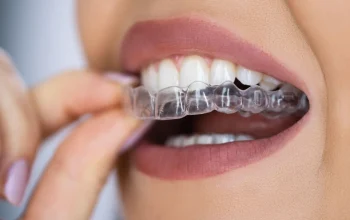
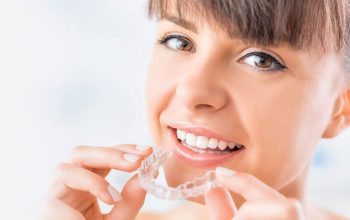
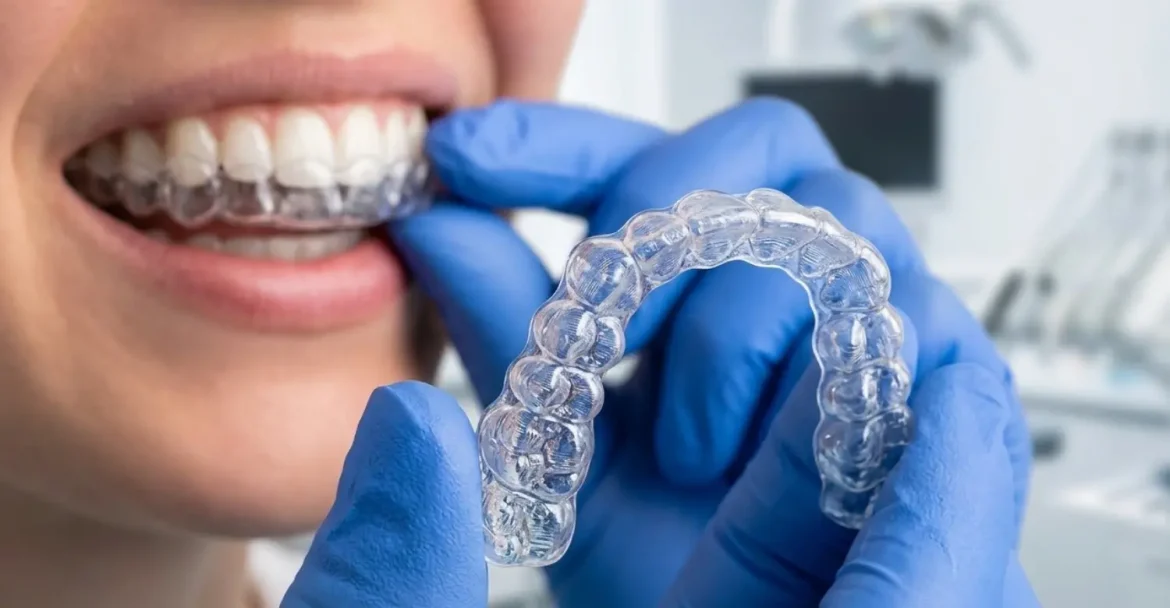
The mechanics behind non-extraction orthodontics are both elegant and effective. Clear aligners work through a series of precisely calibrated movements, each tray designed to shift teeth by fractions of a millimetre. Rather than simply moving teeth backwards and forwards, the treatment employs multiple techniques simultaneously to maximise available space within the dental arch.
Interproximal Reduction
One of the primary methods employed involves interproximal reduction, commonly known as IPR or tooth slenderising. This technique involves the careful removal of minute amounts of enamel from between teeth—typically between 0.2 and 0.5 millimetres per contact point. Whilst this might sound concerning, the procedure is entirely safe and causes no damage to tooth structure. The enamel removed is less than what naturally wears away through normal chewing over several years, yet it can create several millimetres of additional space across the entire arch.
Arch Expansion
Another sophisticated approach involves gradual expansion of the dental arch itself. For those seeking Invisalign practitioners can design treatment plans that gently widen the arch, particularly in the premolar and molar regions. This expansion occurs slowly and comfortably, allowing the bone to remodel naturally around the repositioned teeth.
Posterior Displacement
The strategic movement of posterior teeth represents another valuable technique in the non-extraction toolkit. By carefully moving molars backwards into available space, orthodontists can create room for anterior teeth to align properly. This approach requires careful assessment of jaw anatomy and the presence of wisdom teeth, but when conditions are favourable, it can yield exceptional results without compromising any healthy tooth structure.
The Benefits of Preserving Natural Teeth
Maintaining a complete set of natural teeth offers advantages that extend far beyond aesthetics. Each tooth plays a vital role in the biomechanics of chewing, the support of facial structure, and the long-term stability of orthodontic results. When teeth are extracted, the remaining teeth must compensate for the loss, potentially leading to increased wear and stress on the dental arch.
Furthermore, preventing and treating crowded teeth without extractions maintains the natural width of the smile, often resulting in a fuller, more attractive appearance. The preservation of dental tissue also eliminates the need for additional procedures such as bone grafting should dental implants be required in the future, as the bone structure remains intact and robust.
Patient Suitability and Treatment Planning
Whilst clear aligner therapy offers remarkable capabilities, not every case of overcrowding can be resolved without extractions. Severe crowding, significant skeletal discrepancies, or certain bite relationships may still necessitate the removal of teeth to achieve optimal results. The determination requires thorough assessment including digital scans, radiographs, and careful analysis of facial proportions.
Modern diagnostic tools allow orthodontists to simulate treatment outcomes before beginning therapy, providing patients with realistic expectations. This technology enables practitioners to explore whether clear aligners can effectively address crowding in individual cases or whether alternative approaches might prove more suitable. The collaborative nature of contemporary treatment planning ensures that patients remain fully informed throughout the decision-making process.
Achieving Beautiful Smiles Through Conservative Treatment
The advancement of clear aligner technology has fundamentally transformed orthodontic possibilities, offering solutions that previous generations could scarcely have imagined. By combining multiple space-gaining techniques, modern orthodontics can address overcrowding whilst preserving the integrity of natural dentition in numerous cases. This conservative approach represents the pinnacle of contemporary dental care, prioritising long-term oral health alongside aesthetic excellence.