Digestive health plays a major role in how we feel every day. When digestion is off, it can affect energy, mood, sleep, and even focus. This is one reason many people explore structured cleanses as a way to reset habits and support their digestive system.
In this blog, I’ll explain how a structured cleanse can support digestive health, what benefits are realistic, and how to approach it in a balanced way without falling for extreme detox claims.
Understanding Digestive Health Basics
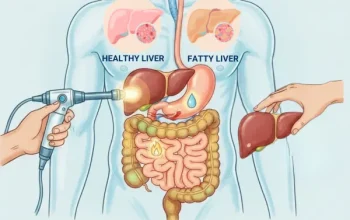
Digestion is not just about the stomach. It involves multiple organs working together to break down food, absorb nutrients, and eliminate waste.
Key parts of the digestive system include:
- Stomach
• Small intestine
• Large intestine
• Liver
• Pancreas
• Gut bacteria
When these systems are supported properly, digestion tends to feel smoother and more predictable.
What a Structured Cleanse Really Is
A structured cleanse is not about starving the body or forcing toxins out. Instead, it usually provides a clear framework for eating and hydration over a short period.
Most structured cleanses focus on:
- Simplifying food choices
• Reducing processed foods
• Increasing hydration
• Encouraging mindful eating
• Giving the digestive system a break
The structure itself is often what makes these cleanses appealing and easier to follow.
Reducing Digestive Overload
Modern diets are often heavy in processed foods, sugar, and refined carbohydrates. These can be harder to digest and may contribute to bloating or discomfort.
A structured cleanse can help by:
- Temporarily removing heavy foods
• Lowering intake of irritants
• Creating lighter meals
This reduction in digestive load can make the gut feel calmer and more comfortable.
Supporting Regularity and Comfort
Many people notice improved regularity during a cleanse. This can happen when hydration increases and food choices become more consistent.
Digestive comfort may improve through:
- Better hydration
• Reduced sodium intake
• More plant-based foods
• Simpler meal timing
These changes support normal bowel movements and reduce bloating for some individuals.
Encouraging Mindful Eating Habits
Structured cleanses often bring awareness back to eating habits. Instead of constant snacking or rushed meals, people slow down and pay attention to hunger and fullness.
This awareness can lead to:
- Better chewing
• Reduced overeating
• Improved digestion signals
• More satisfaction from meals
These habits can benefit digestion even after the cleanse ends.
Temporary Reset for Gut Sensitivities
Some people experience digestive discomfort due to frequent exposure to certain foods. A short structured cleanse may help identify patterns by simplifying the diet.
This can help with:
- Recognizing trigger foods
• Noticing how different foods affect digestion
• Making more informed food choices later
It is not a cure, but it can provide useful insight.
Hydration and Digestive Function
Water is essential for digestion. It helps move food through the digestive tract and supports waste elimination.
Structured cleanses often emphasize hydration, which can support:
- Softer stools
• Reduced constipation
• Better nutrient absorption
Sometimes digestive improvements are simply the result of drinking enough water consistently.
Role of Structure and Consistency
One of the biggest benefits of a structured cleanse is consistency. When meals, fluids, and timing are planned, the digestive system experiences less unpredictability.
Some people use programs like Ritual Cleanse to provide short-term structure and guidance, especially when they want a clear starting point for improving digestion.

What a Structured Cleanse Does Not Do
It is important to set realistic expectations.
A structured cleanse does not:
- Instantly heal gut conditions
• Replace medical treatment
• Permanently fix digestion on its own
• Remove toxins faster than the body already does
Digestive health improves most through long-term habits.
Who May Benefit Most
Structured cleanses may be helpful for:
- People feeling bloated from processed foods
• Those wanting to reset eating habits
• Individuals looking for digestive awareness
They may not be suitable for everyone, especially those with medical conditions or restrictive eating histories.
Making Digestive Benefits Last
The real value of a cleanse comes after it ends. Continuing supportive habits is what maintains digestive improvements.
Helpful habits include:
- Eating whole foods regularly
• Staying hydrated daily
• Managing stress
• Eating at consistent times
• Getting enough sleep
These habits support digestion far more than any short program alone.
Questions People Often Ask
1. Can a structured cleanse improve digestion
It can support digestion short term by reducing overload and improving hydration.
2. How long should a structured cleanse last
Short durations are generally safer and easier to sustain.
3. Will digestion worsen after a cleanse
It can if old habits return quickly. Gradual transitions help.
4. Are liquid cleanses better for digestion
Not necessarily. Whole foods often support digestion better.
5. Should everyone try a cleanse
No. It depends on individual health needs and history.
Wrapping It Up
A structured cleanse can support digestive health by simplifying food choices, improving hydration, and encouraging mindful eating. These changes reduce stress on the digestive system and help people reconnect with healthier habits.
When approached with balance and realistic expectations, a structured cleanse can act as a useful reset. The most important part is using that reset to build long-term habits that keep digestion feeling comfortable and supported.