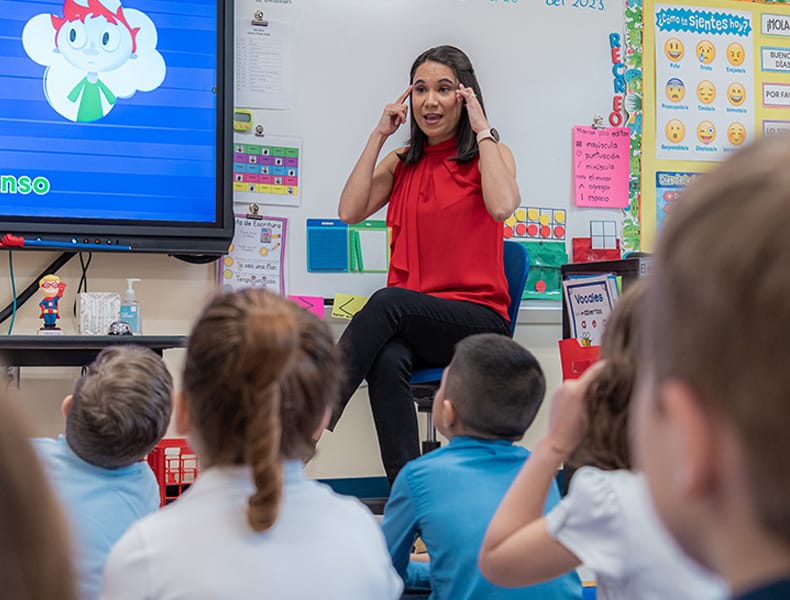
Critical thinking is the ability to analyze information, evaluate evidence, solve problems creatively, and make well‑reasoned decisions. In today’s rapidly changing world, fostering critical thinking in students is not just an educational preference — it is a necessity. Students who develop strong critical thinking skills are better prepared to navigate complex real‑world challenges, succeed in higher education, and thrive in careers that demand innovation and adaptability.
This comprehensive, SEO‑friendly guide explores practical strategies, classroom techniques, and research‑based approaches for fostering critical thinking in students. Whether you are a classroom teacher, school leader, curriculum designer, or parent, you will find actionable guidance to support student thinking at every age and academic level.
Why Critical Thinking Matters in Education
Critical thinking is fundamental to deep learning and student success. Research consistently shows that students who engage in critical thinking:
- Understand content more deeply: They move beyond memorization to make meaningful connections across ideas.
- Solve complex problems: They develop strategies for approaching unfamiliar tasks and ambiguous situations.
- Communicate effectively: They articulate reasoning, evaluate evidence, and engage respectfully with diverse perspectives.
- Become lifelong learners: They reflect on their own thinking and seek continuous improvement.
The American educational landscape emphasizes critical thinking as a core competency in standards such as the Common Core State Standards (CCSS) and Next Generation Science Standards (NGSS). These frameworks require students to justify answers, analyze texts, construct arguments, and design solutions — all essential critical thinking actions.
What Does Critical Thinking Look Like in the Classroom?
In a student-centered classroom, critical thinkers:
- Ask thoughtful questions
- Analyze arguments and evidence
- Compare and contrast ideas
- Identify assumptions and biases
- Make connections across subjects
- Evaluate multiple solutions
- Reflect on their own reasoning and learning
Critical thinking isn’t just about finding the “right” answer. It is about reasoning with clarity, insight, and intellectual honesty.
Strategies for Fostering Critical Thinking
1. Teach Questioning as a Core Skill
Why it works: Questions drive inquiry. When students generate and explore their own questions, they take ownership of learning.
Practical steps:
- Start class with a “Question of the Day.”
- Introduce questions like “What evidence supports…?” or “How would you justify…?”
- Use Bloom’s Taxonomy to create higher-order questions.
- Model curiosity by thinking aloud and asking your own questions.
Example: In history, instead of asking “What happened in 1776?”, prompt “Why might different historical accounts interpret this event differently?”

2. Use Project-Based Learning (PBL)
Why it works: PBL places students in real-world situations where they must analyze information, plan actions, and reflect on outcomes.
Implementation tips:
- Design projects around real community problems or meaningful themes.
- Include clear standards and success criteria.
- Guide students in research, decision-making, and iteration.
- Provide opportunities for peer and public presentation of work.
Many schools collaborate with a center for AIW center for AIW to integrate authentic intellectual work into PBL, giving students hands-on experiences in analyzing real-world challenges.
Example: Students investigating local water quality collect and analyze data, then propose solutions to community stakeholders.
3. Integrate Problem-Solving Activities
Why it works: Problem solving teaches students how to reason logically, test hypotheses, and revise approaches when strategies fail.
How to apply:
- Provide open-ended tasks with multiple possible solutions.
- Use real-life scenarios, like budgeting or environmental challenges.
- Encourage teamwork to debate and refine strategies.
- Facilitate reflection after problem solving to reinforce learning.
Example: Instead of routine math exercises, students plan a school event on a limited budget.
4. Promote Classroom Debate and Discussion
Why it works: Debates challenge assumptions, strengthen argumentation skills, and build listening skills.
Implementation:
- Establish norms for respectful dialogue.
- Assign roles (presenter, challenger, summarizer).
- Use Socratic seminars to explore a text or topic through guided questions.
- Encourage evidence-based reasoning rather than opinion alone.
Example: Debate a literary character’s motivations using textual evidence in English class.
5. Teach Metacognition (Thinking About Thinking)
Why it works: Metacognitive students self-monitor, evaluate strategies, and adjust approaches for better outcomes.
Classroom practices:
- Ask reflective questions like “What strategies did you use?”
- Use learning journals to capture thought processes.
- Model reflective thinking publicly.
- Provide rubrics that include self-assessment criteria.
Example: After a science lab, students write about what challenged them and what they learned about their thinking.
6. Leverage Technology Wisely
Why it works: Digital tools allow students to access diverse sources, model systems, and create multimedia presentations requiring analysis and synthesis.
Tools and tips:
- Use online research tools with credibility checkpoints.
- Introduce simulation software (virtual labs, economic models).
- Encourage multimedia projects that require planning and decision-making.
- Facilitate collaborative platforms for peer feedback.
Example: Students create a podcast series analyzing local environmental issues.
7. Scaffold Thinking Through Graphic Organizers
Why it works: Visual tools make relationships among ideas visible and support deeper understanding.
Promising organizers:
- Venn diagrams for comparison
- T-charts for pros and cons
- Concept maps for connections
- Cause-and-effect charts
Example: Use a concept map to explore causes and consequences of a historical event.
8. Provide Frequent and Formative Feedback
Why it works: Feedback guides student thinking and encourages revision.
Best practices:
- Offer specific, actionable feedback rather than vague praise.
- Use rubrics with clear criteria for reasoning and evidence.
- Include opportunities for revision after feedback.
- Encourage peer feedback based on established criteria.
Example: After an argumentative essay, provide targeted comments on evidence quality, logic, and clarity.
Overcoming Challenges in Critical Thinking
Educators often face hurdles:
- Time constraints: Deep inquiry takes time in crowded curricula.
- Assessment pressures: Standardized testing often emphasizes recall over reasoning.
- Student resistance: Some students are unfamiliar with open-ended tasks.
- Resource limitations: Effective PBL and technology integration require training and materials.
Addressing these challenges requires leadership support, professional development, and a culture that values inquiry.
Measuring Critical Thinking Growth
Assessing critical thinking requires tools beyond traditional tests:
- Performance tasks: Realistic challenges that require application of thinking skills.
- Rubrics: Clear criteria for reasoning, evidence use, problem-solving, and communication.
- Portfolios: Collections of student work showing growth over time.
- Reflective writing: Narratives revealing thinking processes.
- Peer evaluation: Structured feedback encouraging metacognition and collaboration.
Focus on evaluating both the process and product of student thinking.
Cultivating a Classroom Culture That Supports Critical Thinking
A culture that nurtures critical thinking:
- Encourages risk-taking and respectful disagreement.
- Values curiosity over correctness.
- Supports collaboration and shared inquiry.
- Models honesty, humility, and openness to new ideas.
- Provides time for reflection and revision.
Teachers model inquiry, value student voice, and set high expectations for reasoning.
Frequently Asked Questions (FAQs)
-
What age should critical thinking skills be introduced?
Critical thinking can start in early elementary grades with simple reasoning tasks and grow progressively with age and complexity.
-
Can technology improve critical thinking in students?
Yes, technology like simulations, research tools, and collaborative platforms enhances analysis, problem-solving, and creativity.
-
How can parents support critical thinking at home?
Encourage questioning, problem-solving games, discussions about current events, and reflection on daily decisions.
-
What is the difference between critical thinking and problem solving?
Critical thinking involves analyzing and evaluating information, while problem solving focuses on applying reasoning to find solutions. Both skills are interconnected.
-
How do teachers assess critical thinking effectively?
Through performance tasks, portfolios, rubrics, reflective writing, and peer evaluation, focusing on reasoning, evidence use, and real-world application.
Empowering Students as Critical Thinkers
Fostering critical thinking is a long-term investment with lifelong benefits. It equips students to navigate challenges, communicate effectively, and make informed decisions. By integrating questioning, project-based learning, problem-solving, reflective practices, and discussion into daily instruction, educators create classrooms where critical thinking thrives.
Critical thinking is not just a skill — it is the foundation for empowered learners who can shape their futures with insight and intentionality.