Many people do not notice the change right away. A knife that once felt perfect starts getting used a little less often. Another one gets picked up instead. Small frustrations appear during routine tasks. Nothing major. Nothing dramatic. Just enough to make someone pause for a second. That pause is usually where things begin.
A lot of knife owners assume they will know immediately when a knife is not right for them anymore. In reality, it tends to happen much more gradually. And sometimes the knife itself has not changed at all. The routine has.
Changes Usually Happen Gradually
Think about how daily life changes over a few years. A person moves to a different home. A new hobby appears. Work responsibilities shift. Outdoor activities become more common. Or less common.
The knife that matched an old routine may not match the new one quite as well. That does not mean it suddenly becomes a bad knife. It simply means the situations where it once felt useful are no longer showing up as often.
Comfort Starts Playing A Bigger Role
When somebody buys their first few knives, appearance often gets a lot of attention. The blade shape looks impressive. The handle material stands out. The overall design catches the eye.
Later on, comfort starts winning more arguments. A knife may look fantastic and still feel awkward after repeated use.
Meanwhile, a simpler design might disappear into a pocket and handle everyday tasks without drawing attention. People tend to remember comfort long after they stop caring about appearance.
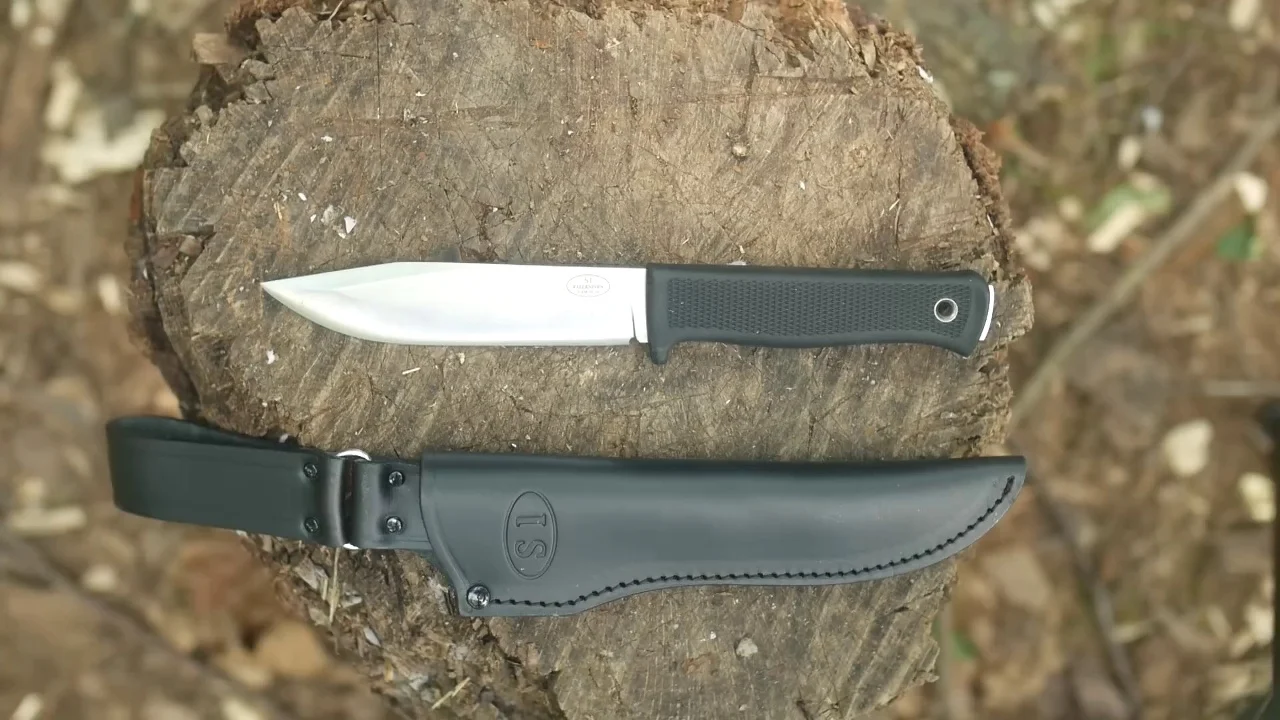
Sometimes Another Knife Creates The Comparison
Many people do not notice a problem until they try something else. They borrow a friend’s knife. They receive a new one as a gift.
They buy a different model for a specific purpose. Then suddenly they find themselves reaching for the newer option more often.
Not because it is objectively better. Because it fits current habits better. That distinction matters. A knife can be excellent and still not be the right fit for a particular person anymore.
Small Adjustments People Often Make First
Before replacing a knife completely, many people try smaller changes.
- Sharpening the edge
- Cleaning and maintaining moving parts
- Adjusting carrying position
- Changing how the knife is used
- Using it for different tasks
Sometimes these adjustments solve the issue immediately. Other times they simply confirm that the knife no longer feels quite right. There is nothing wrong with either outcome.
Recognizing When Something Feels Off
There is usually a moment when people realize they are avoiding a particular knife. Maybe they leave it at home more often. Maybe another option keeps finding its way into their pocket. Maybe tasks that once felt easy start feeling slightly inconvenient. The signs are often subtle. That is why they can be difficult to recognize at first.
A trusted item does not become unsuitable overnight. It slowly moves further away from the way someone actually lives and works.
Moving Toward A Better Match
The interesting thing about knives is that preferences rarely stay fixed. People change. Routines change. Responsibilities change.
That shift is often where real Knife Knowledge develops. Not from collecting specifications or comparing endless product details, but from noticing how tools fit into everyday life. A knife can still be dependable, well made, and respected while no longer being the first choice for daily tasks.